How do we shape the future of food in Lower Saxony?
The ZERN research network introduces itself
Where should our food come from in the future? How and in what quality should it be produced? How should we organise our livestock farming in the future? The ZERN (Future of Nutrition in Lower Saxony) research and transfer network, funded by the zukunft.niedersachsen programme, will attempt to answer these and many other questions over the next five years.
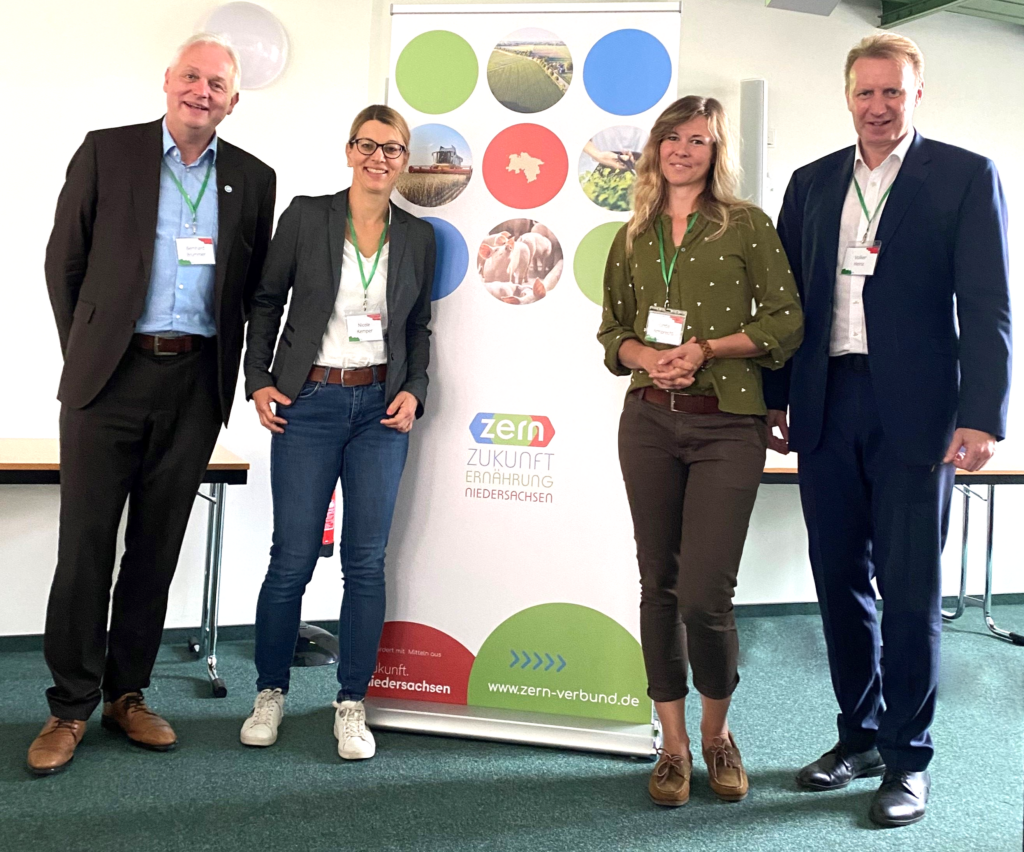
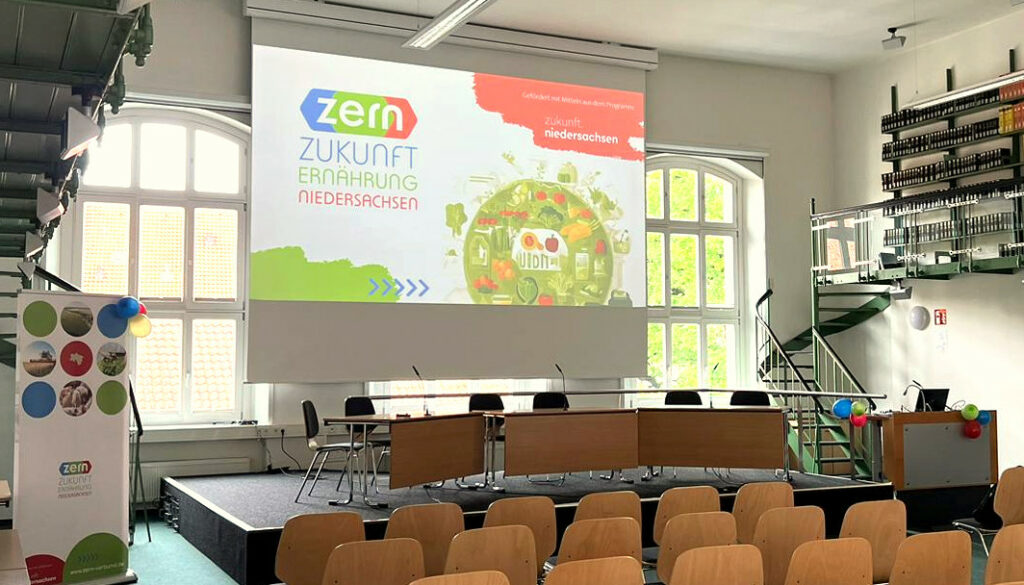
The ZERN kick-off event took place in Göttingen on 31 May 2014 to announce the start of work on the initial ZERN projects and the ZERN independent junior research groups and to make other interested institutions and companies in the agricultural and food sector aware of the opportunities to become ZERN members.
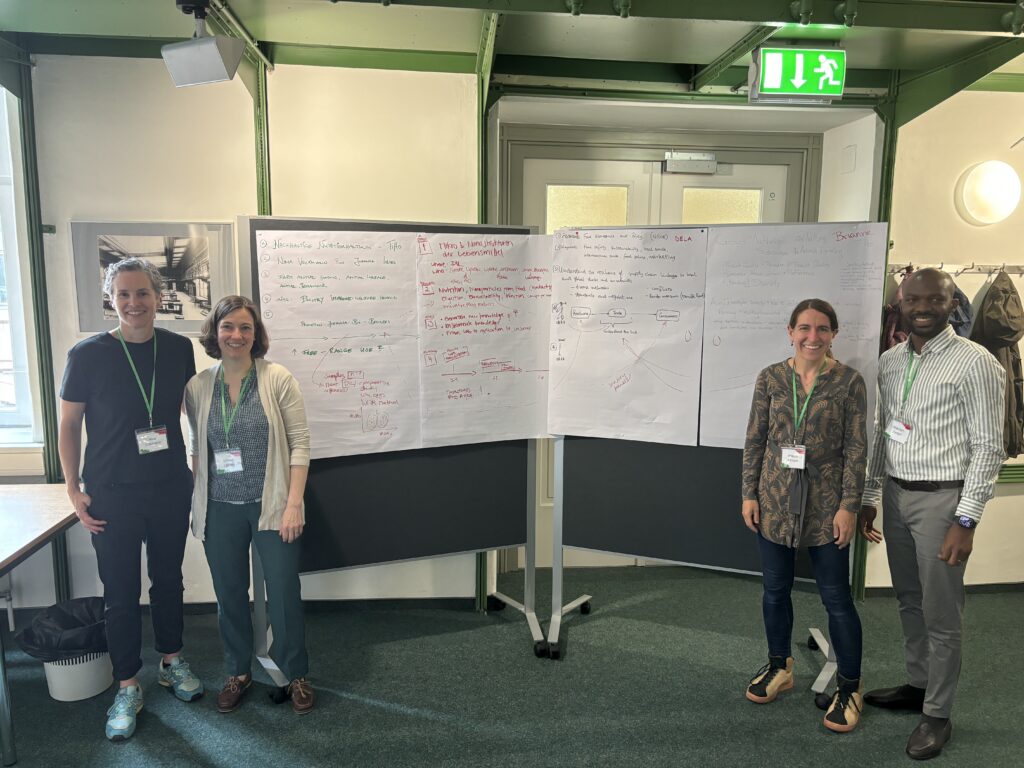
In the historic building of the Göttingen State and University Library (SUB) in the city centre, around 70 participants were able to find out about the initiation and development of ZERN as well as the plans for the next five years. In addition, over good food - the name "Zukunft Ernährung Niedersachsen" spoke for itself - contacts were made and constructive ideas exchanged.
ZERN is a research and transfer network of the University of Göttingen, the University of Veterinary Medicine Hannover Foundation (TiHo) and the German Institute of Food Technologies in Quakenbrück (DIL), which aims to support the transformation of the agricultural and food system in Lower Saxony, which is under increasing pressure to adapt. Aspects such as animal welfare and sustainability must be given greater consideration in agricultural production in the future. The findings from the network will be used to promote the sustainable production, processing and marketing of food.
The ZERN network is working on three subject areas: Arable farming, grassland utilisation, animal husbandry.
- Arable farming deals with the question of how arable farming can be operated in an ecologically and economically profitable manner in the future against the background of numerous challenges such as regulated nutrient supply, restrictive use of pesticides, extreme weather events and ever decreasing agricultural land. This thematic area starts with the initial project "Adaptation strategies for arable farming in Lower Saxony", in which the University of Göttingen, the University of Osnabrück and Leibniz Universität Hannover are involved.
- The following questions are central to the topic of grassland management: How can the valuable resource of grassland be utilised most effectively in the future? Is the grazing of ruminants the best utilisation option or can technical processes perhaps also make a significant contribution to the development of grassland protein? The initial project "Development of an extraction and functionalisation process for the use of protein from green biomass in human nutrition" addresses the latter question. This is being carried out by the DIL, the University of Göttingen, the Grassland Centre Lower Saxony/Bremen and Osnabrück University of Applied Sciences.
- The subject area of animal husbandry will deal in particular with issues relating to sustainable livestock farming and the resolution of potential conflicts of interest, such as biosecurity in free-range farming and animal health in alternative production systems. The initial project "Future-orientated fattening pig husbandry", which the TiHo, the University of Göttingen and the DIL will work on together, will be launched in this thematic area.
In order to promote young scientists, ZERN will also have three independent junior research groups working on cross-cutting topics: The junior research group "Food Economics and Policy" has been instituted as a new junior professorship at the University of Göttingen, the junior research group "Micro- and Nanostructures of Food" is based at the DIL and the junior research group "Sustainable Livestock Production" is based at the TiHo.
If you also have project ideas that fit in with the ZERN network, you will have the opportunity to apply in future within the framework of calls for proposals. There will be one open-topic call, which will be open for applications over the entire project duration of five years, and two themed calls, which are expected to start in 2025 and 2026. Here, the ZERN network is actively looking for complementary or related project ideas that will be funded by ZERN's funding body - the zukunft.niedersachsen programme - following a positive assessment. The start of the calls and funding requirements will be publicised in due course.
Further information can be found at any time at www.zern-verbund.de and also on ZERN's social media pages on Instagram, X and LinkedIn. The slides that accompanied the kick-off meeting can be downloaded here -ZERN Kick-Off PDF.